
Blog
Climate Change and AI.
Posted on 2nd September, 2026
I don’t like the heat and I certainly don’t like temperatures outside over 40° and inside over 25°. I’m fortunate in that I have large electric awnings on the south side and now have air conditioning. Also I’m fortunate that my bungalow was built by an excellent firm so is very well insulated. I also have solar panels so the massive hikes in energy haven’t affected me. I’m one of the lucky ones. Those without my advantages have had a miserable summer. Fires rage all over the world because of the drought.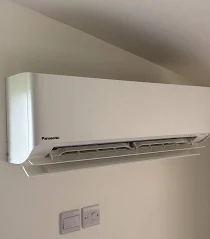
Schools, hospitals, factories, offices in the UK haven’t been built for these sort of temperatures. We just about stagger through a cold winter but the sort of heat we’ve had this year’s unprecedented and sadly is now going to be the norm. Schoolchildren sitting in glass sided rooms with not even a fan suffered dreadfully – ten years ago who could have imagined there would be “heat days” when children would be allowed to go home at lunchtime. Obviously there’s not the money to do anything about all these public buildings. Hospitals obviously must be first and then schools. I think if they changed the school day, as many hot countries have, that would be a temporary solution. However, teenagers don’t like getting up early and suggesting to them that they came in at six in the morning is, I imagine, a nonstarter. I don’t suppose the teachers would be impressed either.
For the first time in over twenty years of writing books I could be late handing this one in. That’s a direct cause of the heat – it’s impossible to work when your house is in the high 20s. There was a study done recently which said that intellectual function dropped rapidly when the ambient temperature was more than twenty-five.

That’s the first part of my blog and I expect you’re wondering what this has to do with AI. I’m a fan of AI and use it every day for research. When I want to know where the nearest fish and chip shop was to a certain place in a certain town, it can tell me. I pay a subscription as I use it so much and I can see the algorithm changing the more it interacts with me. It reacts to humour, makes suggestions, apologises when it gets things wrong. I’ve got it set up so it shows me where it’s getting the information and quite often these are places I wouldn’t even have thought to look. It’s making my life as a historical fiction writer so much easier and a lot more fun.
However, these massive data centres that run the AI cover over 10 acres, using millions of litres of water every day and consuming unimaginable amounts of energy. With our precarious climate, drought spreading rapidly across the EU, even faster than it is in the UK, how can building these be justified? Trump in one of his rants told Americans they had to use less water because the data centres needed it. The genie is out of the bottle but “Be careful what you wish for” comes immediately to mind. I know several older people who don’t have internet, don’t have smart phones, therefore they can’t access this technology. They can’t sign in to a doctor, can’t order their groceries online, this rapid advance in technology is leaving millions of older people behind. That can’t be good. There has to be more control by governments before technology is running our world and we’re not running it. Already there have been well documented instances of AI escaping from the sandbox and causing havoc in places it had no right to be.
What do you think? We can’t turn the clock back but something ahs to b done to control AI as it’s already a major player in climate change.
Fenella J Miller