Blog
Writing Romance and Writing Wartime Saga: What Changes?
Posted on 30th January, 2026

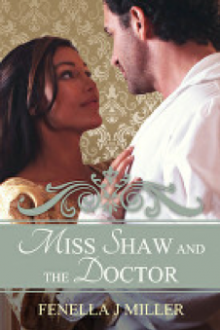
Readers sometimes ask me how I can move between Regency romance and wartime family saga — from glittering ballrooms to blackouts, from dukes and drawing rooms to ration books and air raids.
The answer is that while both are historical, they demand very different things from me as a writer.
In Regency romance, the central promise is emotional. However dramatic the circumstances — unexpected wards, inconvenient marriages, reputations at risk — the reader knows one thing with certainty: love will triumph. The structure bends toward that promise. Every misunderstanding, every clash of wills, every spark of attraction builds toward an emotionally satisfying conclusion.
Romance is about intensity. It lives in glances held too long, in dialogue that dances between wit and vulnerability, in proximity that becomes impossible to ignore. The pacing is tighter, the focus more intimate. Even when there is action or danger, it serves the emotional journey of two people finding their way toward each other.
Wartime saga is different.
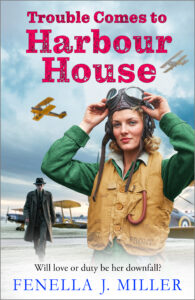
With the Harbour House series, the promise is not a single romance arc but something broader and more uncertain. It is about family, survival, loyalty, and the quiet (and sometimes very loud) pressures of history bearing down on ordinary lives. The war is not background decoration; it shapes every decision.
The research deepens. Real locations, real events, real constraints. I find myself immersed in newspapers, records, maps, first-hand accounts — not just to create atmosphere, but to ensure that every choice my characters make could plausibly have happened. The tension is often external as much as internal: danger, secrecy, moral compromise.
The pacing stretches differently too. A family saga unfolds over multiple books. Threads planted early may not fully unravel until much later. The emotional satisfaction comes not from a single union, but from watching lives evolve under pressure.
And yet, beneath the structural differences, something remains constant.
Whether I am writing a brooding earl unsettled by an unexpected heroine or a wartime family guarding dangerous secrets, I am always writing about resilience. About people forced into situations they did not choose. About the courage it takes — in very different centuries — to stand firm, to love, to protect, to hope.
Perhaps that is why I move between the two.
One offers chandeliers and charged glances.
The other offers blackout curtains and difficult choices.
Both, in their own way, explore what happens when history refuses to be polite.
And as a writer, I find I need both worlds.